The Ultimate Dress Shirt Fit Guide; Achieve a Tailored Look
A dress shirt fit guide is essential, especially for people looking for premium quality products. A perfectly fitted dress shirt is more than just clothing—it’s a statement. Whether you’re heading to the office, attending a formal event, or simply want to look sharp, finding a dress shirt that fits like a glove is crucial. This Dress Shirt Fit Guide will help you navigate the nuances of shirt fitting, so you can feel comfortable and look your best in any situation. Let’s dive into the essentials of how to achieve the perfect fit for your next dress shirt.
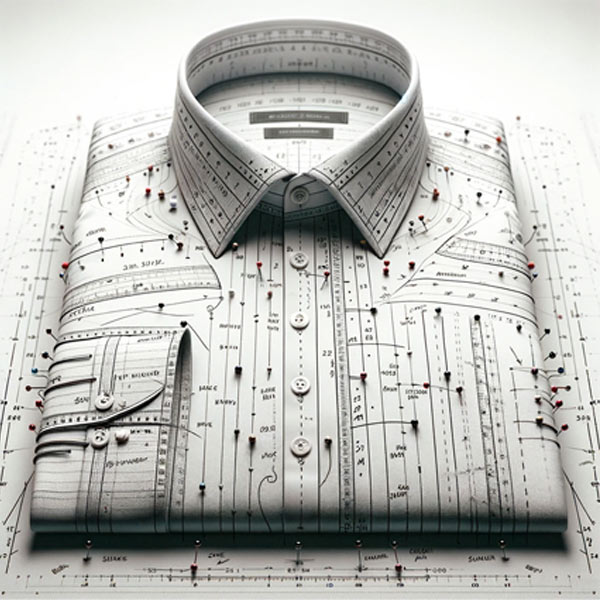
Step 1: Understand the Basics of Shirt Fitting Before diving into the fitting process, it’s important to understand the key areas where a dress shirt must fit well:
- Neck: The collar should sit comfortably around the neck without being too tight or too loose. You should be able to fit two fingers between your neck and the collar when it’s buttoned.
- Shoulders: The seam should rest at the edge of your shoulders, not too far in or hanging off.
- Chest and Waist: The shirt should be comfortably fitted around the chest and waist, allowing ease of movement without excess fabric.
- Sleeves: Sleeves should end at the base of your thumb when your arms are relaxed, and cuff size should allow for a watch if needed.
- Shirt Length: The shirt should be long enough to stay tucked in, but not so long that it bunches up.
Step 2: The Different Fits of Dress Shirts
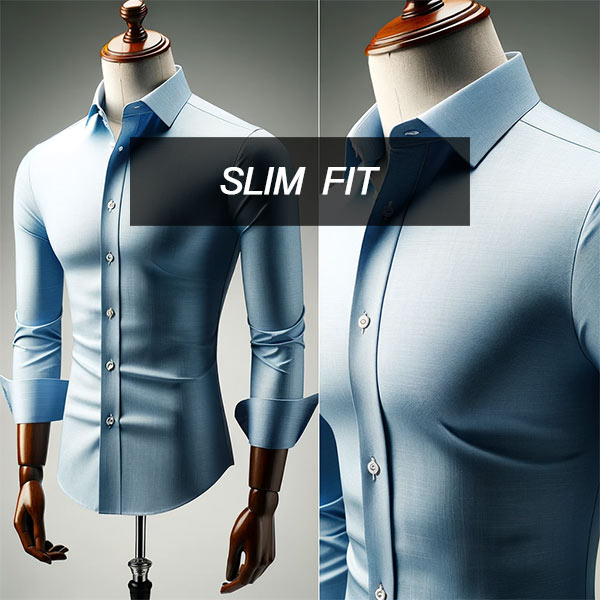
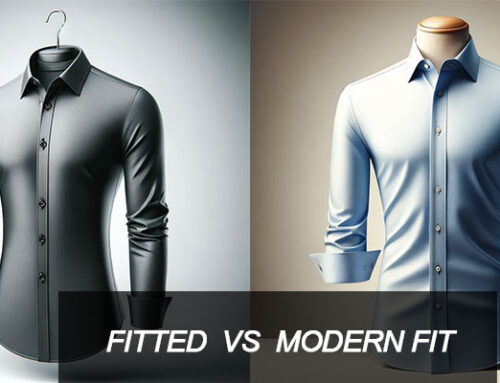
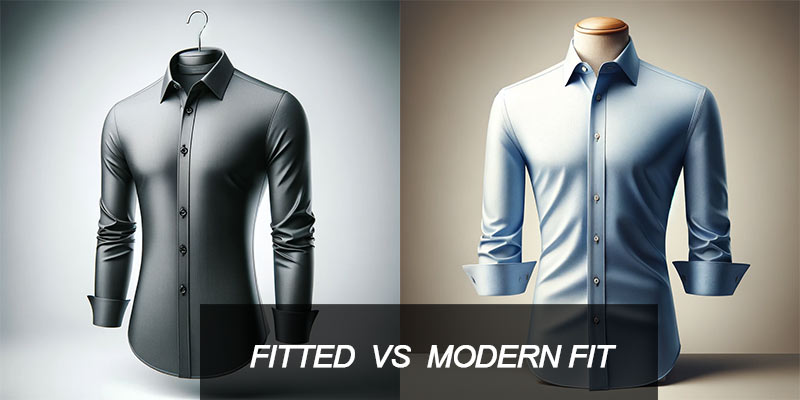
Slim Fit Dress Shirts aka Fitted
Slim-fit dress shirts are tailored to contour the body, providing a modern and sleek look. They’re ideal for those with a slimmer physique, emphasizing a lean silhouette.
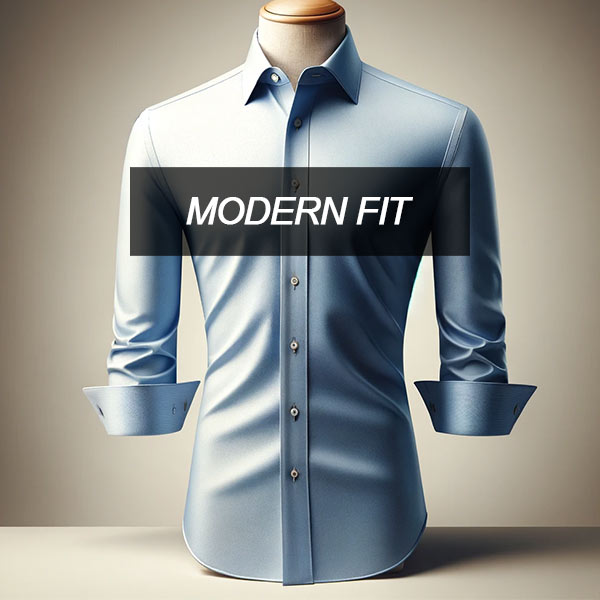
Regular Fit Dress Shirts aka Modern Fit
Regular fit dress shirts offer a balance of comfort and style, suitable for most body types. They provide more room compared to slim fit, ensuring ease of movement.
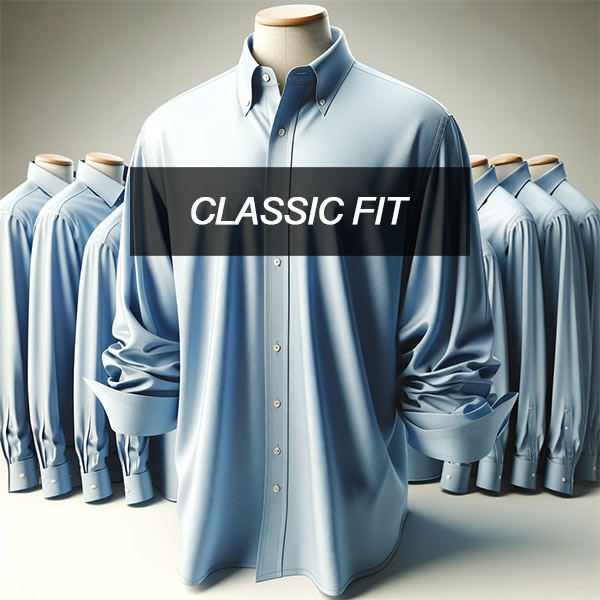
Relaxed Fit Dress Shirts aka Classic Fit
Relaxed-fit dress shirts are the epitome of comfort. With extra room throughout, they’re perfect for those who prioritize comfort or have a larger build.
Step 3: Understanding Key Measurements For Dress Shirts
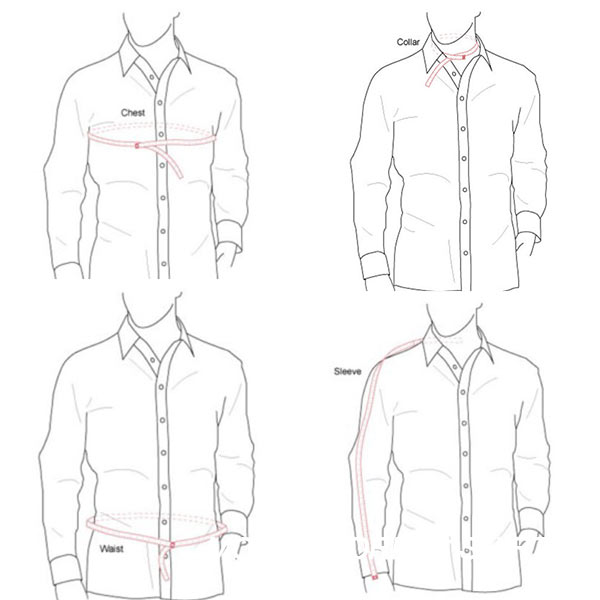
When it comes to a dress shirt fit guide, there are four key measurements that will determine how well a dress shirt fits you: neck, chest, sleeve length, and waist.
How to Measure Your Neck
Wrap a flexible measuring tape around the base of your neck, just where the collar would sit. Make sure the tape isn’t too tight; it should allow enough room to fit two fingers comfortably.
How to Measure Your Chest
Measure around the fullest part of your chest, ensuring the tape is snug but not overly tight. Keep the tape horizontal and level across your back and chest.
How to Measure Your Sleeve Length
Start at the back of your neck where your shoulder meets and measure down the shoulder and along the arm to the wrist. This measurement ensures that your sleeves sit perfectly at the wrist without being too short or too long.
Waist Measurement
Your waist measurement should be taken at the narrowest part of your torso, just above your hips. Make sure to leave some breathing room so the shirt isn’t too tight around your middle.
The Role of Fabric in Dress Shirt Fit
A Dress Shirt fit guide has many variances, even the type of fabric. Not all fabrics behave the same way. Some fabrics, like poplin or cotton blends, have a more structured fit, while others, like linen, tend to be looser and more breathable. If you want a fitted, tailored look, opt for cotton fabrics with a bit of stretch. Fabrics like twill or oxford cloth tend to provide more durability and structure, making them ideal for a more defined shape.
Common Mistakes to Avoid
Too Tight or Too Loose
A dress shirt that’s too tight or too loose can ruin your look. We’ll show you how to strike the perfect balance.
Ignoring the Fabric
The wrong fabric choice can lead to discomfort and a less-than-ideal appearance. We’ll help you avoid this common pitfall.
Neglecting Sleeve Length and Collar Size
Incorrect sleeve length and collar size are common mistakes. We’ll explain how to ensure these are just right.
Conclusion Getting fitted for a dress shirt is a blend of art and science. Understanding your body measurements and how a shirt should fit is just the beginning. Remember, a well-fitted dress shirt can significantly elevate your appearance, boosting confidence and professionalism. Take the time to find the right fit, and you’ll appreciate the difference it makes.
Ready to discover your perfect dress shirt? Click on our shop to explore our exclusive collection and transform your wardrobe today
Choosing the Right Shirt Fit for Different Occasions
our choice of dress shirt fit should also depend on the occasion:
- Business Meetings: A fitted or modern fit works well for most professional settings, offering a polished and tailored look.
- Formal Events: For black-tie events, a fitted or athletic-fit shirt pairs perfectly with a tuxedo or tailored suit, giving you a sharp, defined appearance.
- Casual Wear: If you’re going for a more relaxed look, a classic or modern fit shirt works well, offering comfort while still maintaining a clean appearance.
Signs Your Dress Shirt Doesn’t Fit Correctly
Wondering if your shirt fits right? Look out for these signs:
- Tugging at the buttons: If the buttons are pulling or the fabric looks strained, your shirt is too tight.
- Baggy sleeves: If the sleeves are billowing or bunching, it’s a sign that your shirt is too large.
- Collar discomfort: If you can’t comfortably fit two fingers between your collar and your neck, your collar is too tight.
Why a Good Dress Shirt Fit Guide is Essential
Why does a good fit matter? Well, the difference between an ill-fitted shirt and a well-fitted one is like night and day. A properly fitted dress shirt complements your body shape, provides comfort, and ensures that you look sharp. It’s not just about style—it’s also about function. You don’t want a shirt that’s too tight, restricting your movement, or one that’s too baggy, drowning your silhouette.